Lifestyle Factors for Men After 40
Understanding the key elements that support everyday resilience and wellbeing in mature years.
Nutrition and Dietary Diversity
Mature men benefit from consistent attention to dietary variety. Whole grains, legumes, diverse vegetables, nuts, and seeds provide the micronutrients that support everyday energy and bodily function. Unlike restrictive or trendy diets, the consistent foundation of diverse whole foods matters more than specific protocols.
Traditional Alpine diets naturally featured seasonal variety—what grew at different times influenced what people ate. Modern access to year-round foods is convenient but can create stagnation in the types of nutrients consumed. Deliberately seeking diverse plant foods re-introduces nutritional breadth.
Key elements: Consistency over perfection. Regular whole grains. Frequent legumes. Colorful vegetables. Nuts and seeds as additions. Herbal beverages as part of daily practice.

Regular Physical Activity
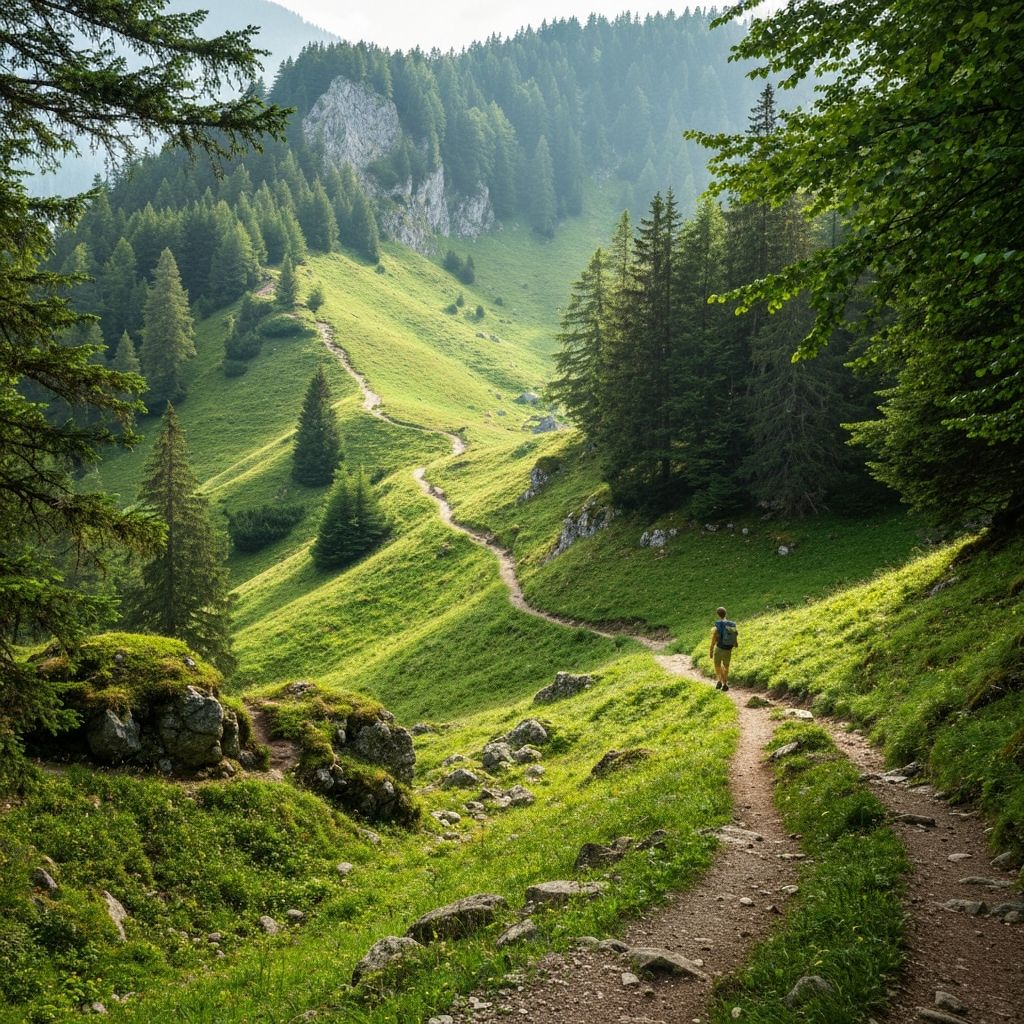
For men after 40, movement becomes increasingly important for cardiovascular health, bone density, muscle maintenance, and mental clarity. The ideal is not intense training, but consistent, sustainable activity integrated into daily life.
Alpine walking—steady movement on varied terrain—naturally engages stabilizer muscles, provides cardiovascular benefit, and combines physical activity with natural light exposure and mental clarity benefits. This is not expensive, not complicated, and profoundly sustainable.
The combination of different movement types matters: sustained walking, strength maintenance (from varied terrain or basic resistance work), and flexibility. Regular movement—30 minutes most days—is more beneficial than occasional intense effort.
Key elements: Consistency matters most. Varied terrain and movement types. Natural light exposure during activity. Community or companionship during movement. Sustainability over intensity.
Sleep Quality and Circadian Alignment
For mature men, sleep quality directly influences resilience, recovery, immune function, and daily energy. The circadian system—the body's internal 24-hour clock—weakens with age, making consistency increasingly important.
Simple practices support circadian alignment: consistent sleep and wake times, natural light exposure in the morning, reduced light exposure in evening, and avoiding large meals close to bedtime. These aren't complex interventions—they're supporting what the body naturally wants to do.
Sleep environment also matters: cool temperature (around 65-68°F / 18-20°C), darkness, and low noise create conditions where sleep naturally deepens. This is why mountain environments, with their cooler temperatures and lower light pollution, historically supported good sleep.
Key elements: Consistent sleep schedule. Morning light exposure. Evening darkness. Cool sleeping environment. Stress management before bed. Limiting screen time in evening.
Stress Management and Recovery
Chronic stress accelerates aging and undermines resilience. The body's stress response systems—designed for acute challenges—become exhausted when activated continuously. Recovery practices aren't luxuries; they're essential maintenance.
Effective stress management often involves the same practices that support other aspects of wellbeing: time in nature, physical movement, consistent routines, and community connection. Alpine culture traditionally integrated these—work rhythms followed seasonal patterns, communities maintained strong social bonds, and nature contact was constant.
Modern life requires deliberate restoration. Practices like meditation, time outdoors, creative activities, social connection, and sufficient rest aren't optional extras—they're foundational for sustained wellbeing.

Hydration and Herbal Practices
Adequate water intake supports every bodily function. As men age, thirst sensation can decrease, making deliberate hydration important. Traditional herbal practices—using water infusions with nettle, pine, chamomile, or local herbs—provided both fluid intake and plant compound exposure.
Preparing and consuming warm herbal beverages also creates natural pauses in the day—moments of mindfulness and intentional rest. This ritualistic element, separate from the botanical compounds themselves, contributes to overall stress management and daily rhythm.
Integration and Consistency
The most important factor across all these areas is consistency over perfection. A sustainable routine maintained for years outweighs intensive efforts that cannot be sustained. Small, consistent practices compound dramatically over time.
The practices that matter most—diverse nutrition, regular movement, good sleep, and stress management—are interconnected. Each supports the others. Investing in any one of these areas typically improves the others.